Categories
season five

Episode 76: The People’s Grand Duke

After his brother’s hands-off approach to ruling, Grand Duke Ferdinando I instead tends to the economic health of his state and his people.
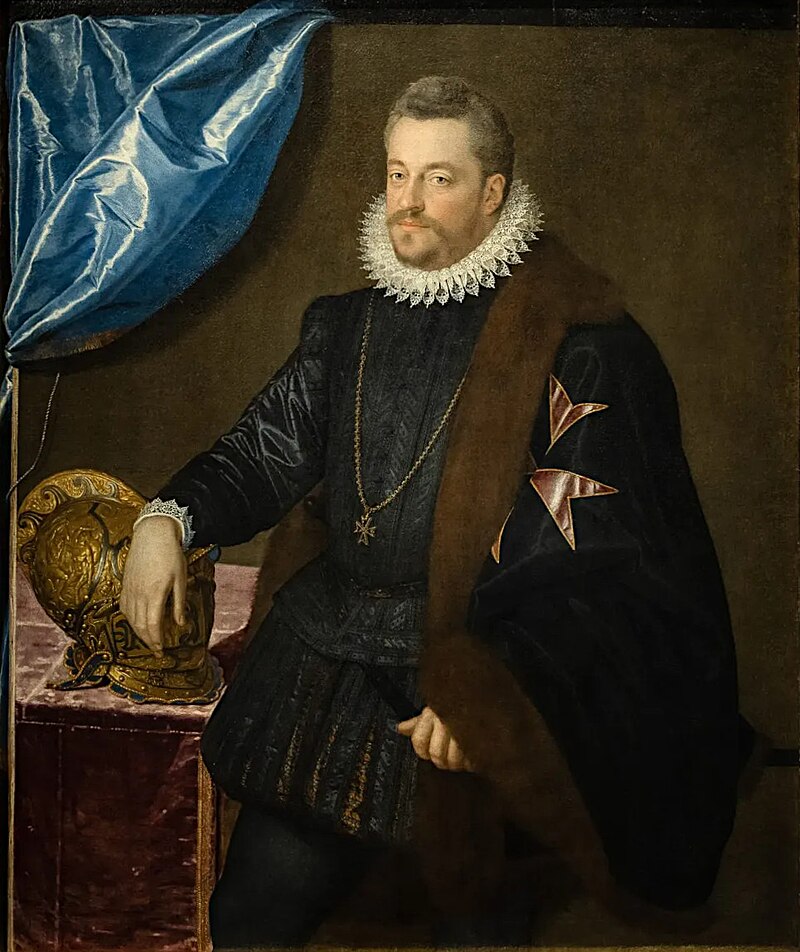
A 1590 portrait of Grand Duke Ferdinando I by Scipione Pulzone. Source: Uffizi Gallery, Florence.
A portrait of Christine of Lorraine from 1588. Anonymous. Source: Uffizi Gallery, Florence.
The “Venus de’ Medici”. Source: Uffizi Gallery, https://www.uffizi.it/en/artworks/medici-venus.
Categories
season five

Episode 75: Day of the Dupes

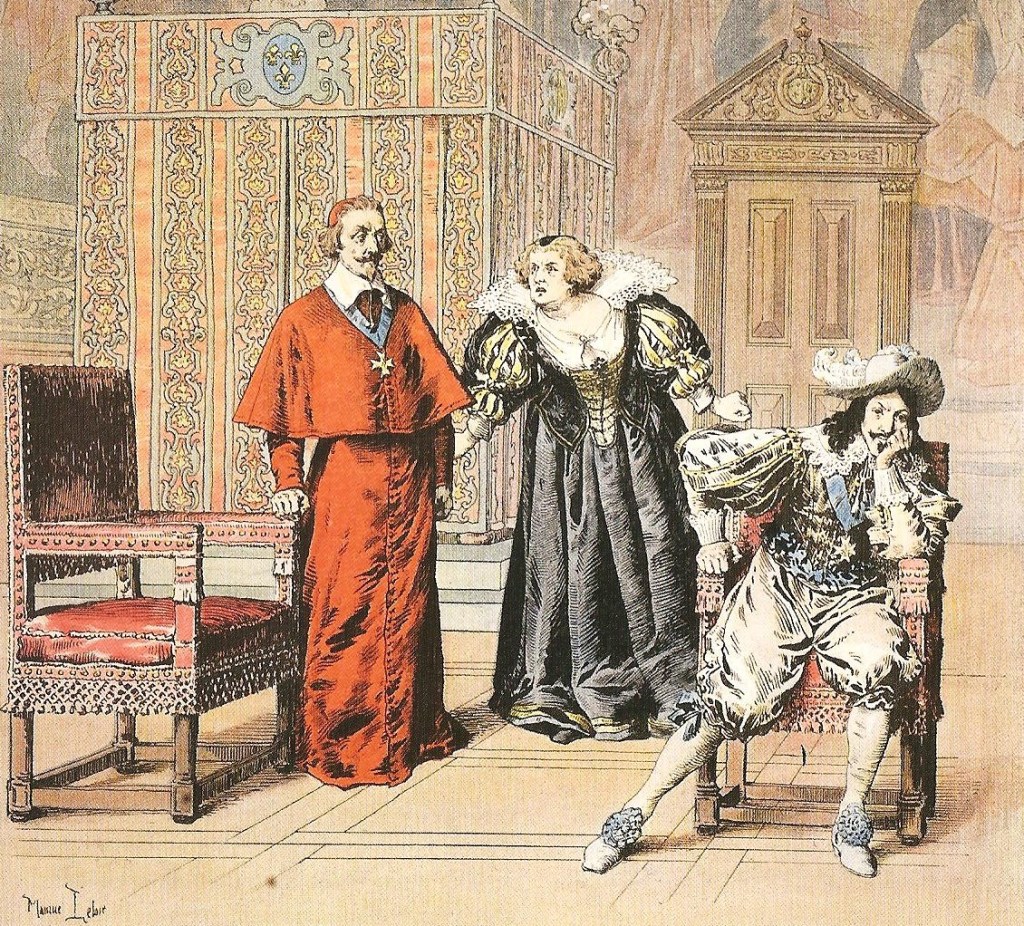
Marie de’ Medici believes she finally triumphed over her protege turned archenemy Richelieu and has secured her place as Louis XIII’s benevolent advisor. As the proverb goes, though, pride goeth before a fall…
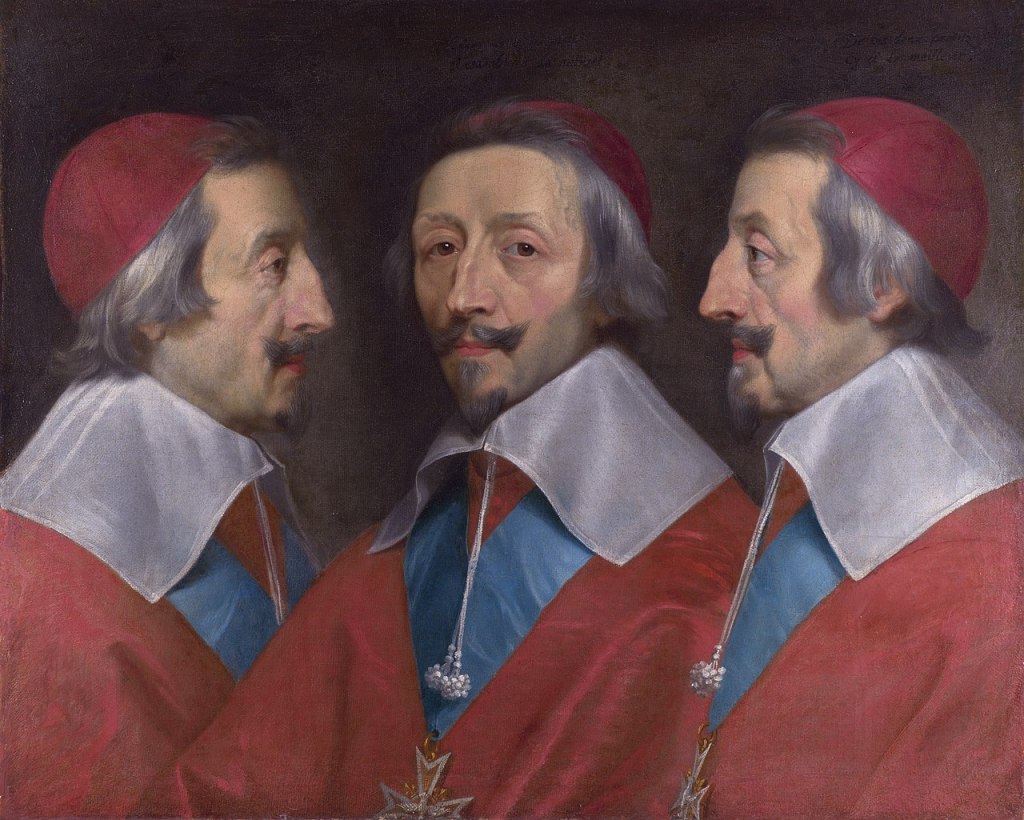
The famous “triple” portrait of Cardinal du Richelieu by Philippe de Champagne (c. 1642). Source: National Gallery of the UK.
The artist Maurice Leloir’s portrayal of the Day of the Dupes, specifically the Cardinal du Richelieu walking in on Marie de’ Medici and Louis XIII’s argument about him, for the 1901 biography of Richelieu written by Théodore Cahu.

Categories
season five

Episode 74: Baroque Queen

Marie de’ Medici goes to war against her own son. On a less violent front, she also oversees her most important legacy, a prime example of Baroque art.

“Victory at Jülich” from the Marie de’ Medici Cycle by Peter Paul Reubens (1622-1625). Source: The Louvre.

Categories
season five

Episode 73: There Is No Middle Ground

Marie de’ Medici’s hope of staying in power by keeping her son in line indefinitely falls apart thanks to a love affair, and her friends pay a heavy price. Still, the Medici aren’t known for accepting even the most devastating of defeats, and Marie is no exception.
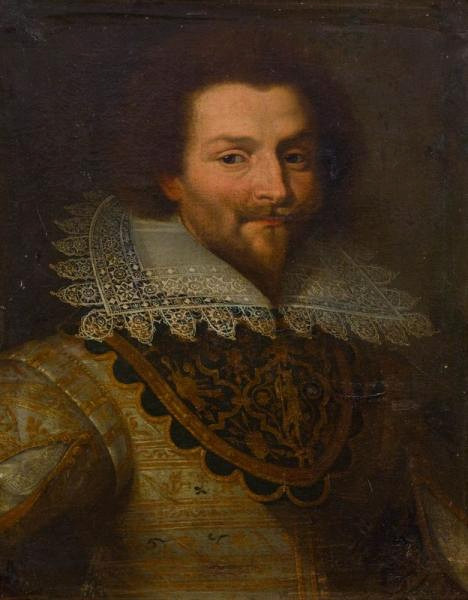
A contemporary portrait by Daniel Dumonster of Charles d’Albert, the Duke of Luynes (c. 1620), the likely lover of King Louis XIII. Source: Private collection.
Louis XIII as a teenager (c. 1616) by Frans Pourbus the Younger. Source: The Staatliche Kunsthalle of Karsruhe, Baden-Württemberg, Germany.
Categories
season five

Episode 72: How to Raise a Teenage King

Even amidst challenges to her rule, the new queen regent Marie de’ Medici is sure that she has her son, King Louis XIII, firmly in line, at least for now.

Categories
season five

Episode 71: Royal Dysfunction

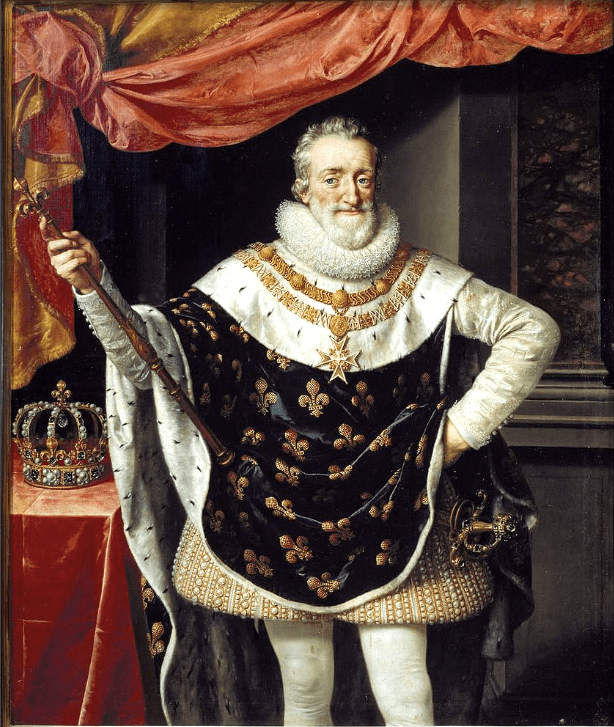
Marie de’ Medici finds herself in a turbulent domestic life with an adulterous husband and a troubled son. And history is going to repeat, propelling her toward a more dramatic role.
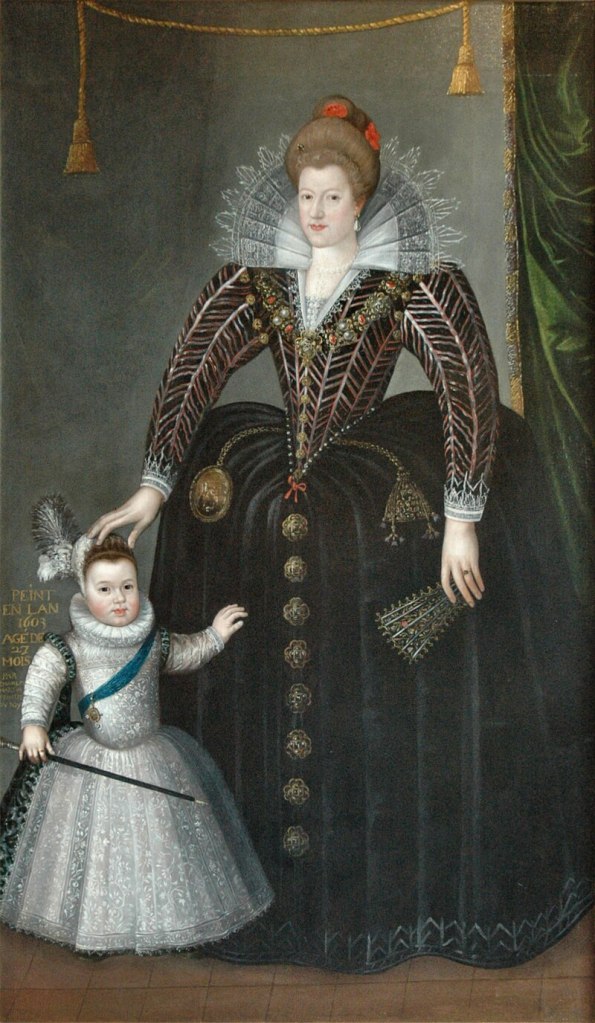
A portrait of Marie de’ Medici with the future King Louis XIII as a child by Charles Martin (c. 1603). Source: Museum of Fine Arts of Blois
King Henri IV’s portrait by Frans Pourbus the Younger, painted sometime around the time of his marriage to Marie de’ Medici (c. 1600). Source: The Weiss Gallery.
Categories
season five

Episode 70: Poor Little Rich Girl

We wrap up with the shoddy and bloody reign of Grand Duke Francesco and meet his daughter Maria, the lonely girl destined become the other Medici queen of France.
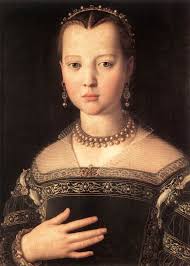
A portrait of Marie de’ Medici as a child, artist unknown (1551).
Source: Uffizi Gallery.
Categories
season five

Episode 69: A Deadly Scandal

The reign of Grand Duke Francesco was inflicted with multiple scandals, but none were worse than the fates of the Grand Duke’s own sister and sister-in-law.
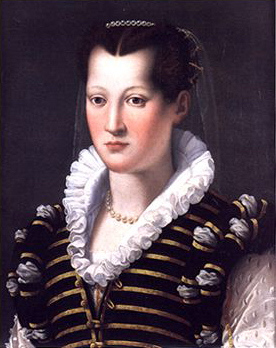
A portrait of Isabella de’ Medici by Alessandro Allori (c. 1550). Source: The Uffizi Gallery.
A portrait of a woman, likely Leonora di Toledo, by Alessandro Allori (date unknown). Source: Historical Art Museum, Vienna.
Francesco de’ Medici, by Alessandro Allori (early 1580s). Source: Private collection
An engraving depicting Pietro de’ Medici by Adrien Helweigh (1691). Source: National Gallery of Art, Washington DC.
Categories
season five

Episode 68: The Ghetto

Cosimo’s legacy was to give Florence stability and prosperity it had not known in about half a century, but there is a much darker side to that legacy too.

An artist’s view of the Jewish ghetto of Florence, by Telemaco Signorini (1882). Source: The National Gallery of Modern and Contemporary Art (Rome).
Categories
season five

Episode 67: Making of the Medici Legend

Besides being a political reformer, Cosimo was also a master at using art and literature to glorify not only himself, but his ancestors.

The Apotheosis of Cosimo de’ Medici (1563-1565) by Giorgio Vasari. Source: Palazzo Vecchio.
An allegorical depiction of Cosimo I planning the conquest of Siena with Silence and the other virtues by Giorgio Vasari (1563-1565). Source: Palazzo Vecchio.
Perseus with the Head of Medusa (1545-1554) by Benvenuto Cellini. Source: Piazza della Signoria, DS (Wikimedia)